
At Branston Locks Primary and Nursery School, our purpose is to provide an engaging, broad and balanced curriculum that is inclusive for all. We have high aspirations for children, and we promote keen ambition and curiosity about the world around us. We believe in developing the whole child so that they know how to make the right choices to stay safe, happy and healthy. We celebrate our unique and diverse community and develop pupils’ understanding of British values: Democracy, Rule of Law, Respect and Tolerance and Individual Liberty.
Have a look at what we’ll be getting up to by downloading our Curriculum Overviews below!
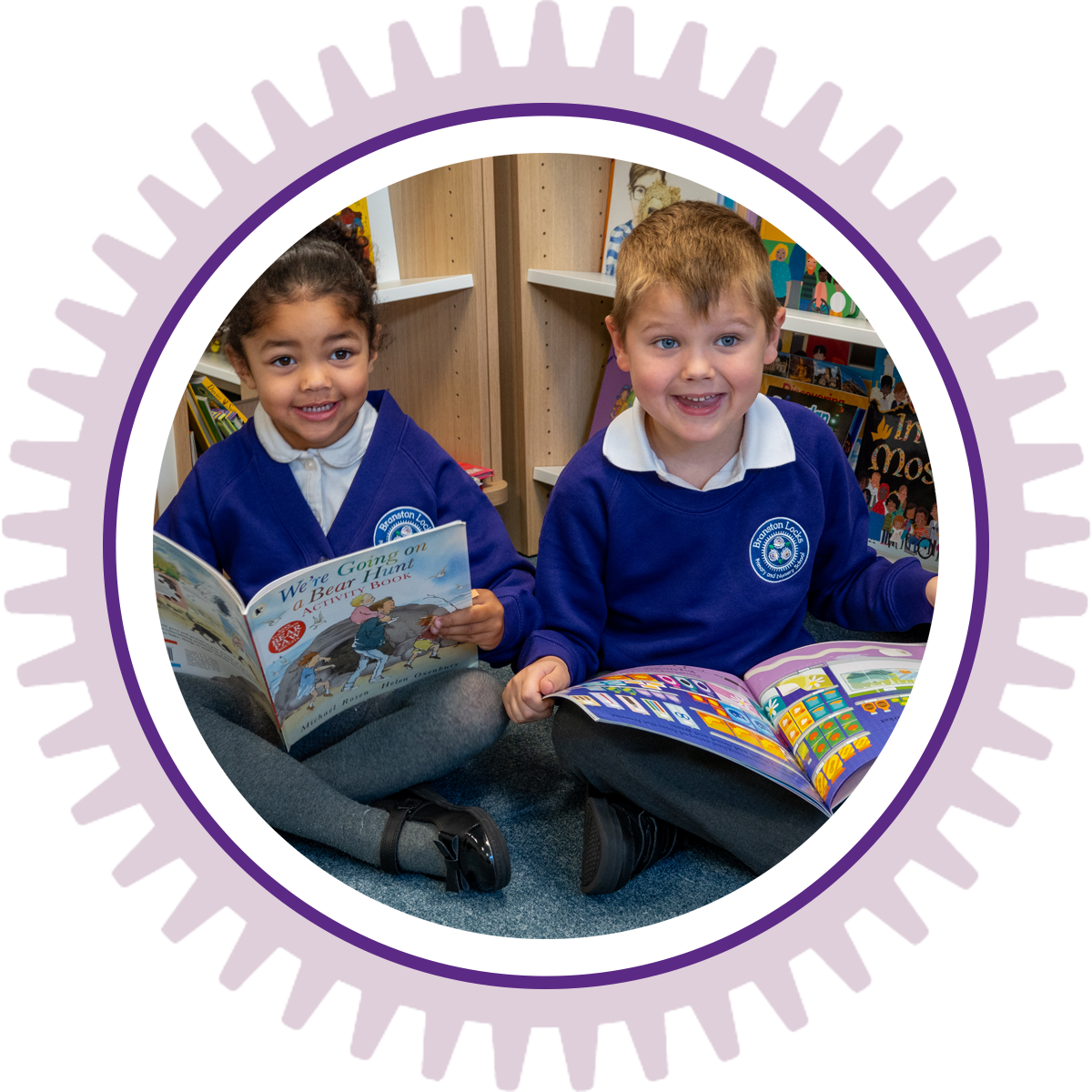
Our curriculum is designed to teach the whole child. Adapted to meet need and promote challenge, we ensure that our school values are woven throughout our teaching, learning and the environment we learn in.
We believe in developing respect in children, so that they recognise and celebrate differences, share their ideas and thoughts and treat their peers, adults and environment in a respectful way.
We believe in the power of a shared vision and the ability to work together. We show kindness to all.
We promote high aspirations and foster pupils’ capacity to learn from our past and see the possibilities within the world today and in the future.
Everyone is seen, heard and celebrated.
We encourage our pupils to think ‘outside of the box’ and understand that their learning is their shared responsibility.
We encourage children to think about their place in the world, their environment and their friends and family and that to be responsible, they care.
We encourage children to always try their hardest and never give up, even when it gets tricky. Our children know that it is OK to ask for help and we encourage their independence.
We encourage children to express their ideas explicitly in a variety of ways and with confidence. We have a deep respect for the arts and we try to involve children as much as possible in a wide range of opportunities to inspire them.
We want them to always reach for the stars.
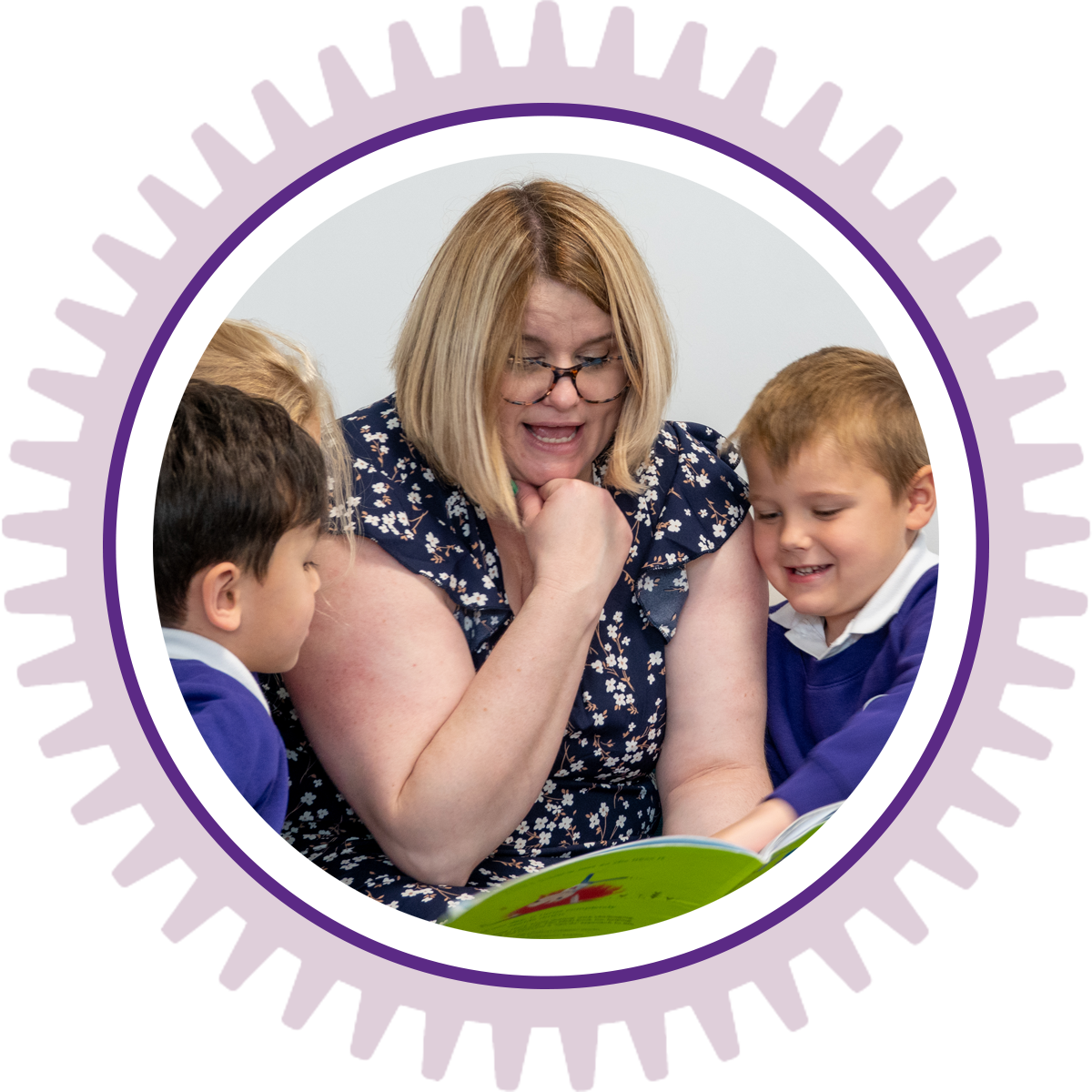
Early Reading and Phonics are taught through the SSP, Essential Letters and Sounds. Children are taught each phoneme and its associated grapheme. Children begin to blend quickly as part of the scheme.
Children take have access to at least 2 reading books: one decodable book that they have already been exposed to in class and a reading book for pleasure to share with their parents/carers. The decodable books may be issued as a digital book, but children have access to a hard copy of the book in school.
When children reach Y2, a whole class reading approach is used.

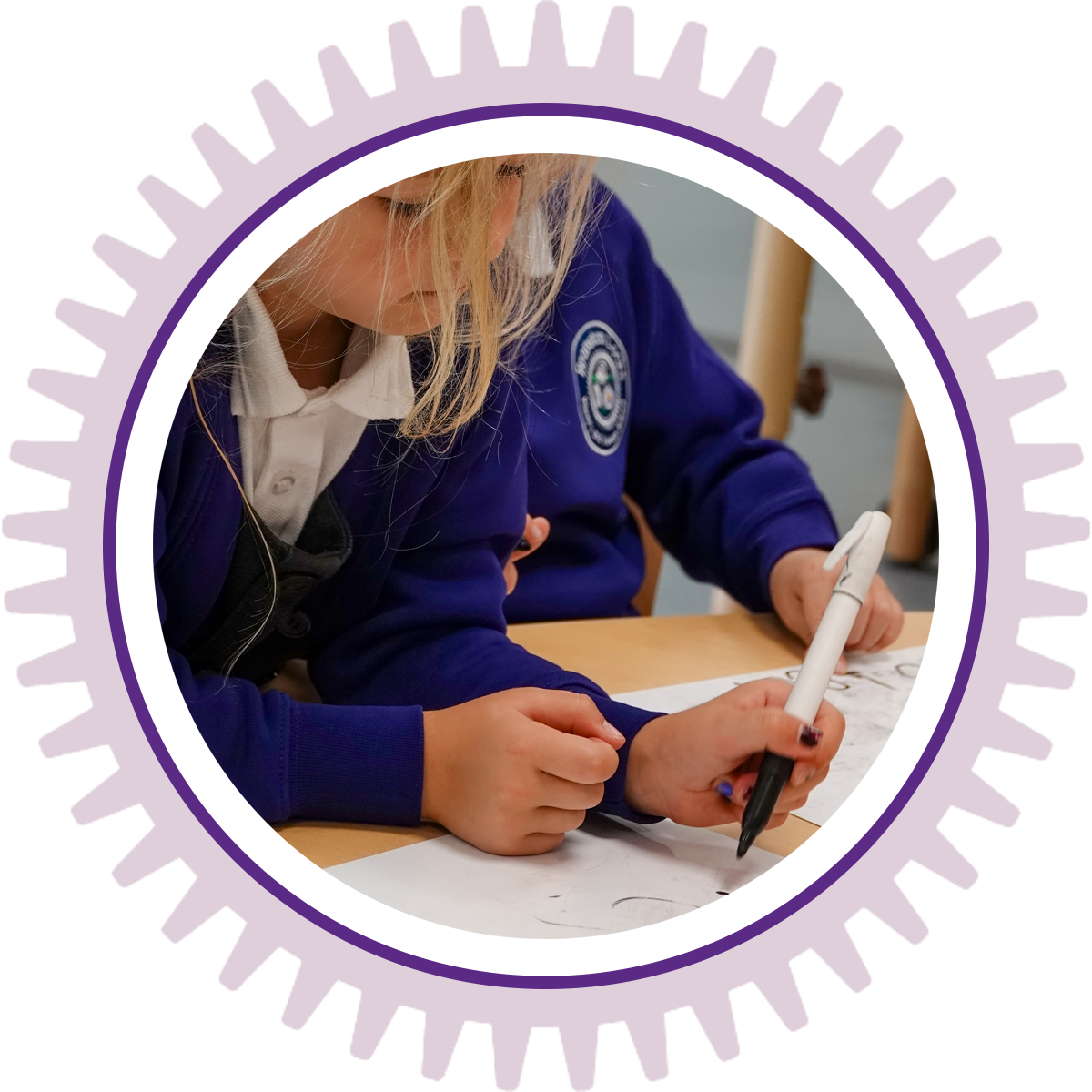
In writing, we use Greg Botrill’s Story Dough in Nursery and drawing Club in Reception and at the beginning of Year One. In Autumn 2 of Year 1, children move to a writing cycle that continues to encourage creativity and flair, but has the additional structure of text analysis, understanding of genre and spelling, punctuation and grammar.
Carefully selected books, images or short films are chosen to expose children to a wide range of texts and these texts are then used to teach narrative, non-narrative and poetry.
Children are exposed to explicit teaching of vocabulary and grammar in a fun and creative way, and writing is modelled effectively by staff in a my turn, out turn, your turn approach. In Nursery, the focus is on the development of vocabulary and language skills and this continues into Reception, where children are encouraged to write in both a supported manner and independently. In Year 1 and beyond, writing is developed further to consider audience and genre.
In Nursery, children follow the Master the Curriculum programme, which supports White Rose and provides solid foundations for fluency, reasoning and problem solving.
In Reception and KS1, we use the NCETM Mastering Number programme to teach Maths as well as White Rose. Both programmes complement each other and promote the use of a concrete, pictoral and abstract approach to support a mastery curriculum.

PSHE is taught through the Jigsaw programme. This follows a thematic approach and each jigsaw ‘piece’ represents a theme. Over the year, the following ‘jigsaw pieces / puzzles’ are explored: Being me in my world, Celebrating Differences, Dreams and Goals, Healthy Me, Relationships and Changing Me. This approach brings together PSHE, RHE, emotional literacy, mindfulness, social skills and spiritual development.
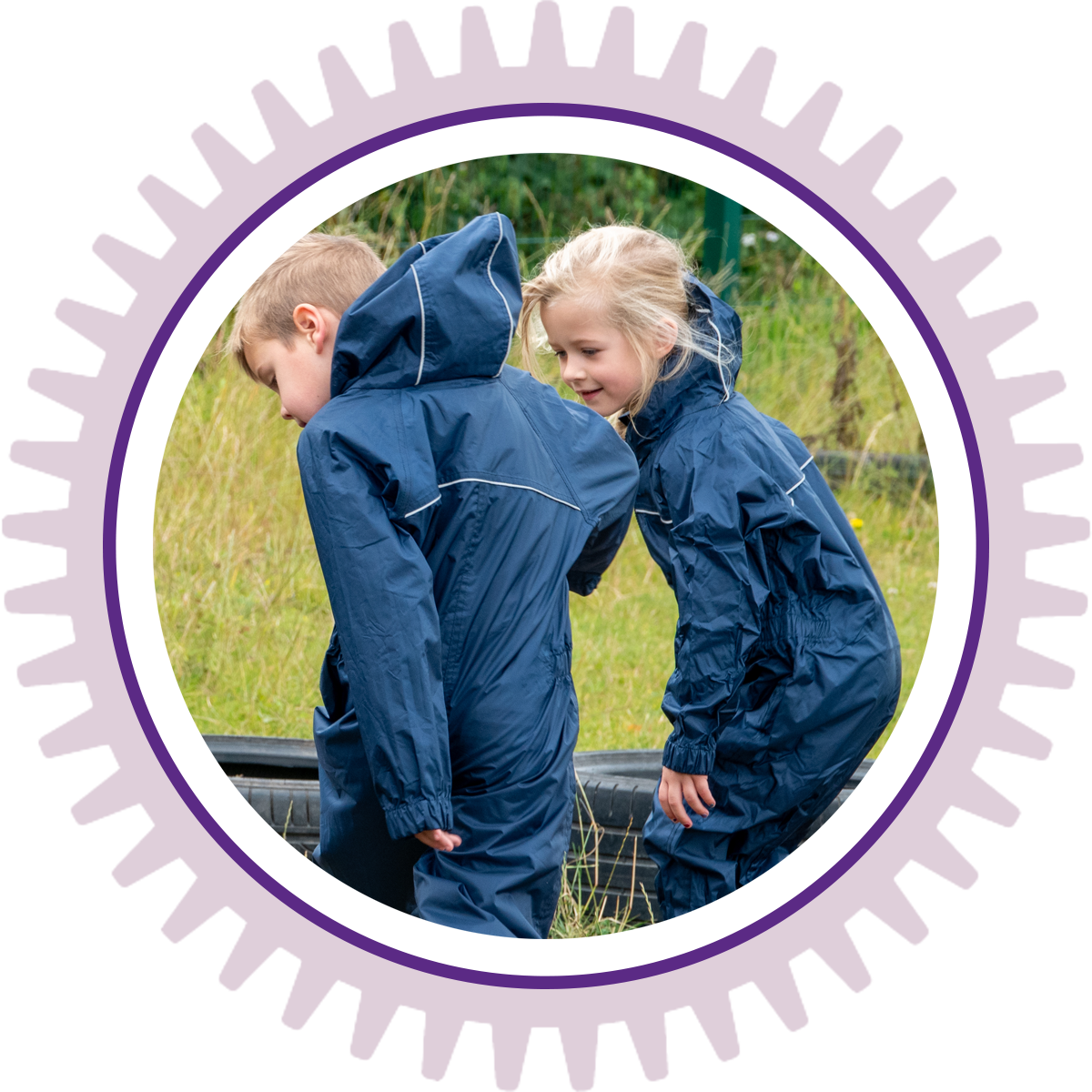
Children are able to access Outdoor Learning on a weekly basis. The carefully planned curriculum gives children the opportunity to connect with nature and the world around them as well as to understand and take risks, learn about the outdoors and further develop their understanding of key scientific concepts. Staff ensure that outdoor learning complements and enhances prior knowledge and skills.
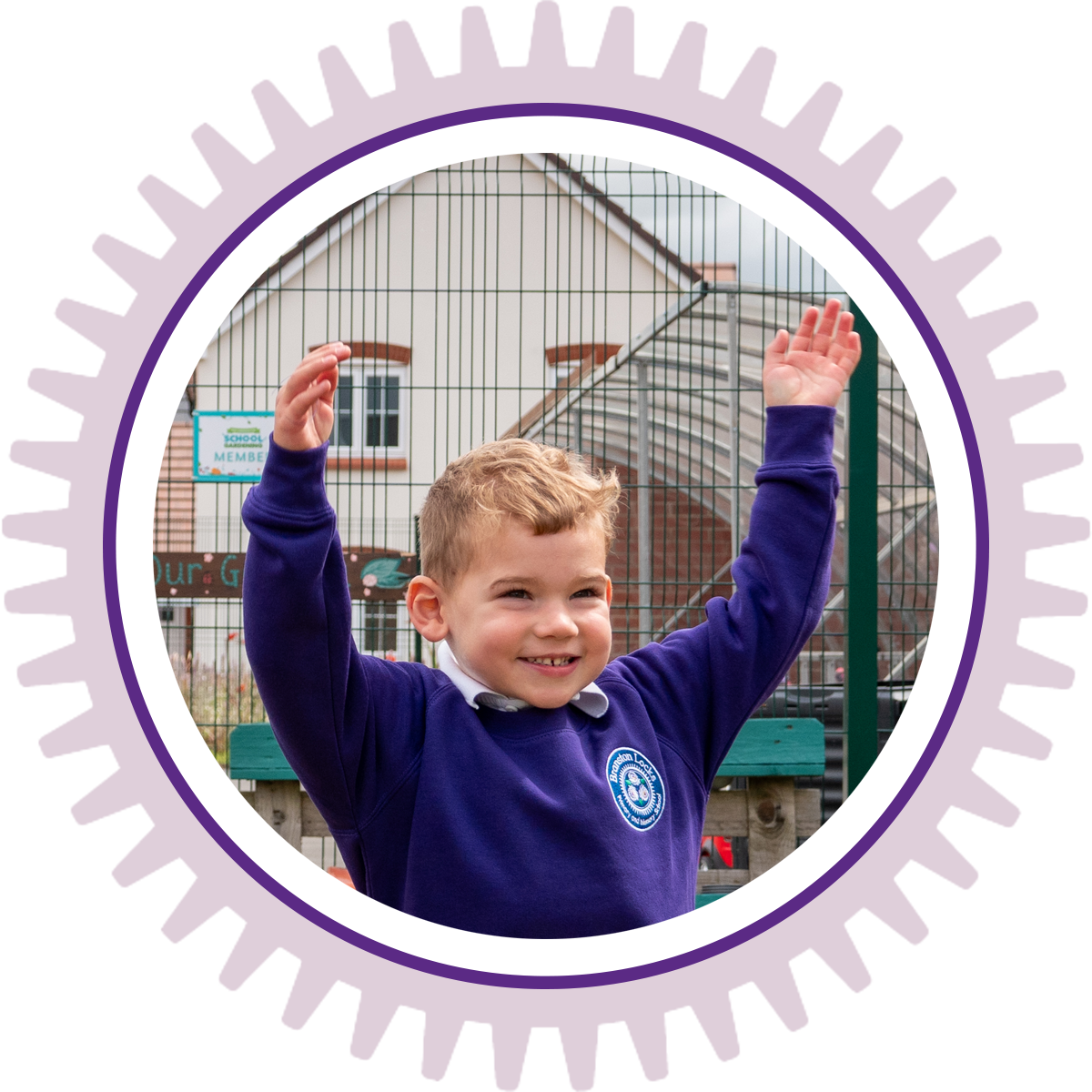
At Branston Locks Primary and Nursery School, we really value the arts. Music plays a big part in our school community.
Children learn music on a weekly basis using the Charanga music scheme. In addition, Year One have the opportunity to learn glockenspiel through whole class ensemble teaching, facilitated by Entrust.
Singing performances and shows are shared with parent, carers and the local community and we practise singing once a week as a school. Within each classroom, there are also lots of other opportunities to sing, from learning nursery rhymes to practising number bonds through music!